By Prashant Shah
Prime Minister Narendra Modi's recent visits to Indonesia, Australia, and New Zealand were far more than routine diplomatic engagements. They reflected India's growing global stature, demonstrated the confidence with which New Delhi now engages strategic partners across the Indo-Pacific, and highlighted the increasingly influential role of the Indian diaspora in strengthening India's international relationships. The extraordinary receptions accorded to the Prime Minister in all three countries were not merely ceremonial displays but visible acknowledgements of India's emergence as an indispensable regional and global power.
In Jakarta, Indonesia, Prime Minister Modi received one of the warmest welcomes ever extended to a visiting foreign leader. Indonesian President Prabowo Subianto personally receiving him at the airport was itself a powerful diplomatic signal, underscoring the importance Jakarta attaches to its relationship with New Delhi. Equally significant was the enthusiastic reception from the Indian diaspora, whose cultural performances, patriotic chants, and emotional participation reflected the deep civilizational ties connecting India and Indonesia. The relationship between the two nations extends beyond contemporary diplomacy; it is rooted in centuries of shared history, trade, culture, and the enduring influence of the Ramayana and other elements of Indian civilization across the Indonesian archipelago.
The visit produced substantial strategic outcomes. Agreements to strengthen cooperation in critical minerals, steel manufacturing, advanced industrial technologies, healthcare, and pharmaceuticals point toward a future-oriented partnership designed to serve both economies. As global supply chains undergo significant restructuring and nations seek dependable partners in manufacturing and technology, India and Indonesia have positioned themselves to benefit through closer economic integration. Equally important is the expansion of healthcare cooperation, which will make India's affordable medicines more accessible to Indonesian citizens while creating opportunities for collaboration in medical education and healthcare infrastructure. Such initiatives reinforce India's reputation as a trusted provider of affordable healthcare solutions to developing nations.
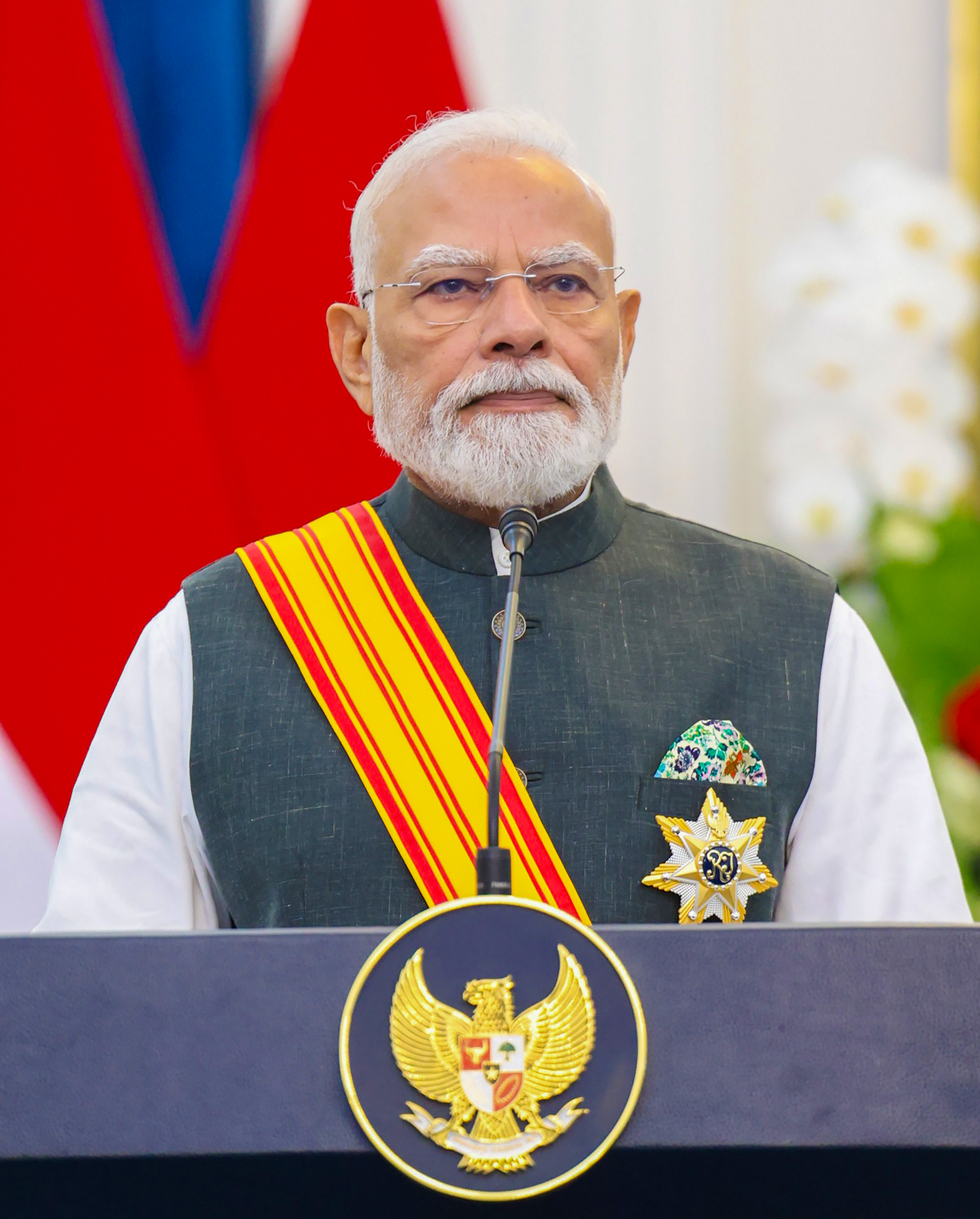
Indonesia's decision to confer its highest civilian honour, the Bintang Adipurna, upon Prime Minister Modi carried significance far beyond personal recognition. It symbolized the respect India commands under its present leadership and reflected Indonesia's appreciation of India's constructive role in promoting peace, stability, and prosperity throughout the Indo-Pacific region. At a time when geopolitical competition is intensifying, partnerships based on mutual respect and shared interests are becoming increasingly valuable.
Australia provided another illustration of India's expanding diplomatic influence. Thousands of enthusiastic members of the Indian diaspora filled Melbourne's Marvel Stadium, transforming the "Melbourne Meets Modi" event into one of the largest celebrations of Indian identity ever witnessed in Australia. The overwhelming response demonstrated not only the diaspora's emotional connection with India but also its growing confidence in India's international standing. For many overseas Indians, Prime Minister Modi has become a symbol of a nation that is increasingly respected on the global stage.
Beyond the public celebrations, the visit produced major strategic achievements. The operationalization of Australia's long-pending uranium export agreement represents a milestone in bilateral relations. As India seeks to become a developed nation by 2047 under the "Viksit Bharat" vision, expanding access to clean and reliable energy has become a national priority. Nuclear power will inevitably play an important role in meeting India's rising energy demand while reducing dependence on fossil fuels. Australia's willingness to supply uranium for peaceful civilian purposes reflects the high degree of trust that now characterizes the bilateral relationship.
The agreements covering defence cooperation, maritime security, critical minerals, cyber technologies, energy, and trade further deepen the Comprehensive Strategic Partnership between the two democracies. In an era marked by growing security challenges in the Indo-Pacific, India and Australia are steadily emerging as indispensable partners committed to preserving a rules-based international order, secure sea lanes, and economic resilience. Their expanding cooperation serves not only their national interests but also contributes to regional stability.
The final leg of Prime Minister Modi's tour, New Zealand, added another important chapter to India's Pacific outreach. The visit itself was historic, marking the first visit by an Indian Prime Minister to New Zealand in four decades. Prime Minister Christopher Luxon's decision to personally receive Modi at Auckland Airport reflected the importance Wellington now places on strengthening ties with New Delhi. The illumination of Auckland's iconic Sky Tower in the colours of the Indian tricolour further underscored the warmth extended to the visiting leader.
Once again, the Indian diaspora played a pivotal role. Their enthusiastic welcome demonstrated that Indians living abroad have become powerful ambassadors of India's culture, values, and economic success. The growing influence of the Indian community in countries across the Indo-Pacific has become one of India's greatest diplomatic assets. Strong people-to-people connections often lay the foundation for stronger political and economic partnerships, and New Zealand presents considerable opportunities for expanding cooperation in trade, education, defence, sports, agriculture, and technology.
Taken together, these three visits reveal an important transformation in India's foreign policy. The country's diplomacy is no longer limited to maintaining cordial bilateral relations. Instead, it seeks to build long-term strategic partnerships rooted in shared democratic values, economic complementarities, technological collaboration, and regional security. India's growing engagement with the Indo-Pacific reflects both its expanding economic capabilities and its increasing responsibility in shaping the future of one of the world's most dynamic regions.
The enthusiastic receptions witnessed in Jakarta, Melbourne, and Auckland should not simply be viewed as celebrations of an individual leader. They represent international recognition of India's remarkable rise as a confident, influential, and trusted global partner. As India continues its journey toward becoming a developed nation, such diplomacy strengthens its strategic position, opens new economic opportunities, and reinforces the confidence of millions of Indians at home and abroad. The message emerging from this Pacific tour is unmistakable: India is no longer merely participating in global affairs—it is helping shape them.