By Prashant Shah
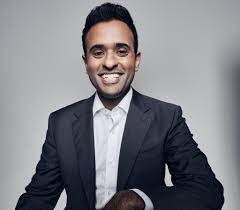
American politics has once again delivered a powerful lesson: money can purchase television time, political endorsements can generate headlines, and influential supporters can amplify a candidate's message, but none of these guarantees victory at the ballot box. Vivek Ramaswamy, the wealthy entrepreneur, articulate speaker and ambitious political newcomer, has discovered this reality in the most painful way. His defeat in the Ohio gubernatorial election against Democratic candidate Dr. Amy Acton is more than an ordinary electoral setback. It is a reminder that political judgment, public perception and the ability to connect with ordinary voters matter far more than personal wealth and political muscle.
Ramaswamy entered the race with formidable advantages. A successful biotechnology entrepreneur with enormous personal wealth, national recognition and close connections to President Donald Trump, he appeared to have all the ingredients necessary for a successful campaign. Trump's endorsement, Vice President JD Vance's support and the backing of prominent Republican figures gave him considerable political visibility. His confidence was unmistakable, and his campaign appeared determined to establish him as the next Republican leader of Ohio.
But elections are not business acquisitions. A candidate cannot assume that financial resources, celebrity endorsements and an aggressive advertising campaign will automatically translate into public support.
The most damaging controversy emerged when Ramaswamy's campaign released a 60-second negative advertisement featuring the estranged mother of his opponent, Dr. Amy Acton. The advertisement questioned Acton's account of her troubled childhood and portrayed her as dishonest. The circumstances surrounding Acton's childhood, including allegations of sexual abuse by her stepfather, made the advertisement particularly sensitive and deeply personal.
What the campaign apparently viewed as an effective political attack quickly became a national controversy. Former and serving Ohio political leaders, including Republicans, criticized the advertisement. Women's organizations and other public figures also expressed disapproval. Even within Republican circles, the decision generated discomfort and raised questions about the judgment behind the campaign strategy.
The controversy became a distraction from the issues that should have dominated the gubernatorial contest: employment, inflation, healthcare, education, economic opportunity and the future of Ohio families.
The advertisement was eventually withdrawn, but withdrawing it could not immediately reverse the damage to the campaign's public image. President Trump and Vice President Vance defended Ramaswamy's decision to use it. Nevertheless, the criticism continued, demonstrating that even powerful political endorsements cannot automatically neutralize public controversy.
It would be simplistic to suggest that one advertisement alone determined the election. Acton ran a campaign focused on affordability and healthcare access, drawing attention to her personal experiences and working-class roots. She sought to connect with voters who were concerned about rising living costs and their economic future. Ramaswamy, meanwhile, faced the challenge of convincing voters that his business success and national political profile could translate into effective state leadership.
The financial contrast was extraordinary. More than $100 million was spent against Acton by Ramaswamy and his supporters, according to election coverage. Yet the enormous advertising expenditure did not deliver the desired result. Acton defeated the Trump-backed Republican and became Ohio's first elected woman governor and the first Democrat to win the office in 20 years.
What went wrong? Was it overconfidence? Was it an excessive dependence on negative campaigning? Or did the campaign underestimate the importance of voters' everyday concerns? The result suggests that these questions deserve serious examination.
Ramaswamy's defeat also carries a larger message for the Republican Party. A candidate's association with a popular national political figure can provide visibility, but state elections are ultimately decided by local voters and local concerns. Ohioans were choosing their governor, not simply expressing support for or opposition to Washington's political leadership.
For Ramaswamy, the consequences extend beyond one election. His national ambitions, political credibility and future leadership prospects will inevitably face scrutiny. However, declaring his political career finished would be premature. He remains a nationally recognized figure with financial resources, communication skills and an established political following. Whether he can recover will depend largely on how honestly he evaluates this defeat and what lessons he draws from it.
There is an important lesson here for every ambitious politician, regardless of party affiliation. Never underestimate the intelligence of voters. Never confuse applause at rallies with support in voting booths. Never assume that wealth can compensate for poor political judgment. And never allow personal attacks to replace a convincing discussion of public policy.
A candidate's greatest political asset is not his bank account, his celebrity supporters or the number of advertisements he can afford. It is the trust he earns from ordinary citizens.
Vivek Ramaswamy entered the Ohio race with enormous expectations. He leaves it with a difficult lesson in democratic accountability. In American politics, the final verdict does not come from wealthy donors, influential personalities or television commercials. It comes from voters.
And voters, as Ohio has demonstrated, cannot be taken for granted.